Blog
Do You Need a Powerflush Before a New Boiler?
Why the answer depends on your heating system
A new boiler has to work with the pipework, radiators and controls already in your home. That is why a powerflush (a machine-assisted clean of the heating system) or system upgrade should not be treated as a standard extra, or dismissed without looking at the system it would be serving.
The useful question is not simply whether your property is old. It is whether water can circulate properly, whether debris is present, and whether the existing components are suitable for the replacement boiler and the way you use your heating.
In Rainham and across the Medway towns, properties vary in age, layout and heating setup. Two homes needing a new boiler can therefore call for different decisions, even if the replacement appliance appears similar.
What the existing system can tell you
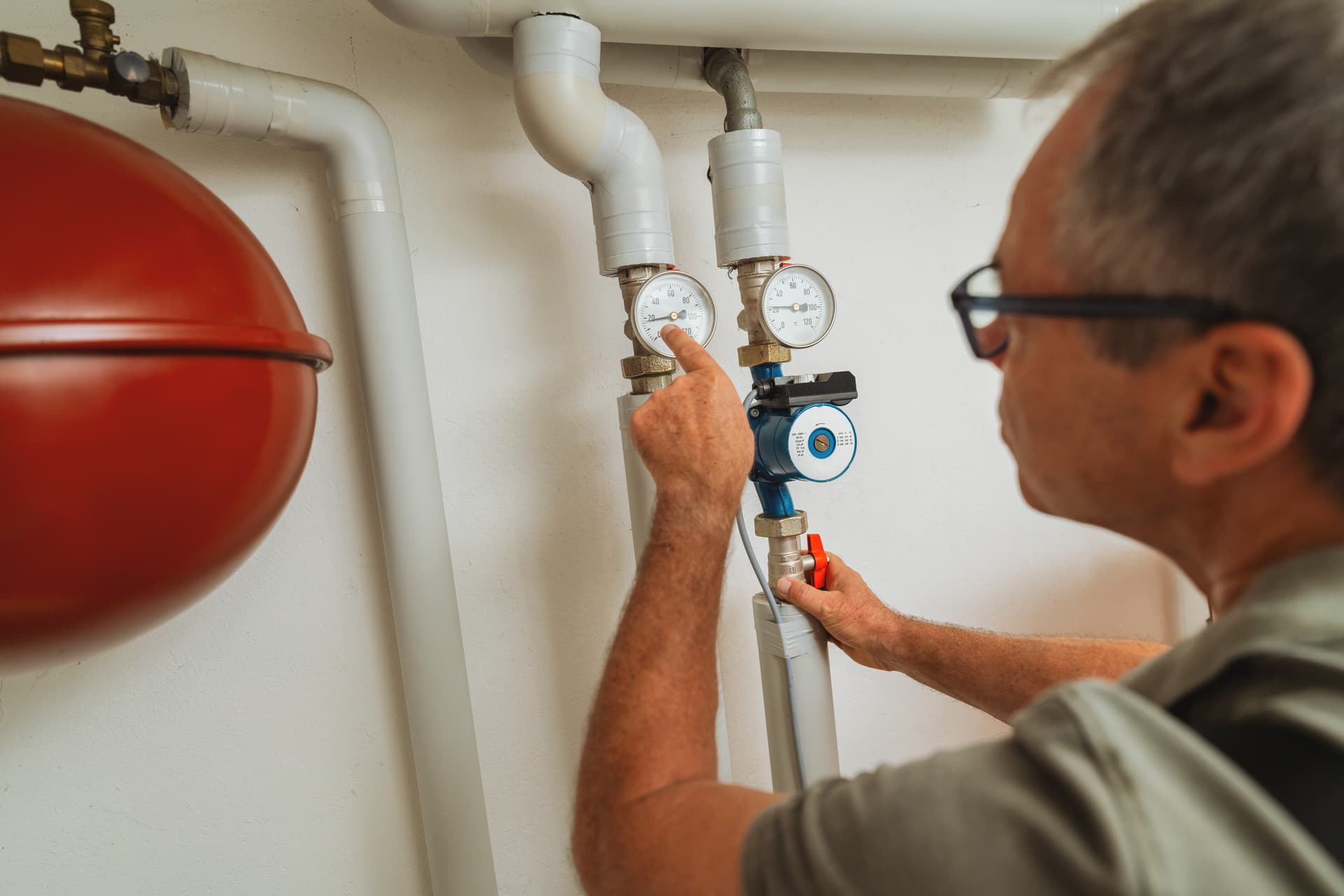
Central heating water circulates through a connected network. Over time, corrosion inside radiators and pipework can create debris, including dark, rust-like debris. If that material collects in parts of the system, circulation can become less effective. A radiator that heats unevenly, persistent cold areas, or unusual noises may be clues, but none proves on its own that a powerflush is required. Other faults can produce similar symptoms.
The pattern matters. Are problems confined to one radiator, or do they affect several? Has the system needed repeated attention? Does the heating seem slow or uneven throughout the property? These observations help describe what is happening, but a qualified heating engineer needs to assess the cause before recommending work.
A system that has been operating well should not be assumed to need an intensive clean simply because the boiler is being replaced. Equally, signs of poor circulation should not be ignored just because a new appliance is being fitted. Debris left circulating can affect how the heating system performs and may put unnecessary strain on its components.
How property age and layout affect the decision
Age is a clue, not a verdict. An older home may have accumulated corrosion, but its condition depends on how the system has been maintained and altered. A newer property can also have circulation problems if there is an underlying issue or contamination in the system.
Layout matters too. A home with several floors, extensions or radiators added over time may have a more complicated network than a compact property with a straightforward arrangement. Changes made to the heating system can affect how water moves around it. A problem in one section may not mean every part needs the same treatment.
Think about how the home is used as well. The how much heating and hot water your household needs depends on the property and household, not just the boiler currently in place. If the system has changed, or the existing setup no longer suits how you use the home, there may be questions beyond cleaning to consider. The right response could involve checking the how the heating system is set up rather than assuming a powerflush will resolve everything.
When system upgrades are worth discussing
An upgrade is relevant when an existing part of the setup is unsuitable, damaged or contributing to poor operation. That might prompt a discussion about pipework, controls or other heating components, depending on what is actually installed and what the symptoms indicate. It does not mean every older component needs replacing when a boiler changes.
Ask what issue a proposed change is intended to address. Is it about removing debris, improving circulation, making the system work with the new boiler, or correcting a separate fault? A clear reason helps you distinguish necessary work from a blanket recommendation. If the cause has not been established, ask what has been observed and what other explanations have been considered.
Keep a note of which radiators behave differently, any noises, and whether the issue affects heating, hot water or both. This gives a useful starting point for the conversation. Do not open or alter gas appliances, or dismantle heating components yourself. Diagnosis and work on the boiler should be left to a suitably qualified professional.
Make the decision around evidence
A powerflush is not a cure-all. It addresses debris in the heating pipes and radiators, not every possible cause of poor heating. If a fault lies elsewhere, cleaning alone may leave the underlying problem in place. On the other hand, fitting a new boiler without addressing significant system contamination could undermine the result you expect from the replacement.
When considering Boiler Installation, focus on the condition and configuration of your own home rather than a fixed rule based on property age. We can discuss your boiler installation requirements for a property in Rainham or elsewhere across the Medway towns. Contact Kent Elite Gas to talk through what you have noticed and request a quote based on the work your property needs.
Other Articles